Five of Swords: Tarot Card Meaning
Minor Arcana, suit of Swords
Upright keywords
- conflict
- hollow victory
- wounded pride
- tension
- cost of winning
Reversed keywords
- reconciliation
- releasing resentment
- ending the dispute
- lessons learned
In short
- Upright
- An argument you can win and still lose: you get your way, but no one is left beside you.
- Reversed
- The conflict is running out of steam: a chance to make peace, own your share and move on without resentment.
Five of Swords: symbolism and imagery
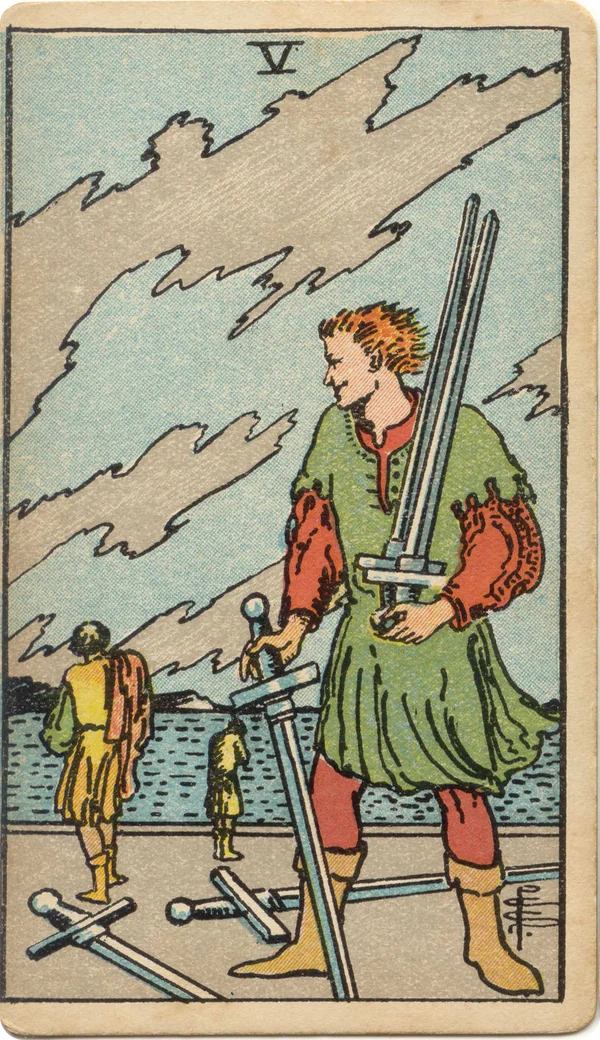
On the Rider–Waite Five of Swords card, on a shore beneath a sky of torn clouds stands a red-haired young man. He holds two swords against his shoulder, rests his hand on a third and glances back with a faint smile. Two more swords lie on the ground, while two other people walk away towards the water, their backs to him.
- The young man with three swords
- The one who left the argument with the trophies. The weapons are gathered, but there is no one left to argue with.
- Swords on the ground
- Abandoned arguments and surrendered positions. Someone has stopped fighting: sometimes that is defeat, sometimes the wise way out.
- The departing figures
- The price of victory: people who have turned away. The argument is over, and the conversation ended with it.
- The glance over the shoulder
- He watches the others leave. Perhaps he already suspects he has won less than he has lost.
- Torn clouds
- The wind drives them across the sky: the air of the Swords suit hasn’t settled. The tension hangs over everyone, not only over those who gave way.
Five of Swords upright
The Five of Swords tells of a conflict that technically has a winner. Someone was proved right, held their ground and got what they fought for — and yet there is nothing to celebrate. Think of a quarrel in which words were far too sharp, a debate in a work chat won at the cost of goodwill, or a family settlement where everything has been divided but nobody sits at the shared table any more.
The card doesn’t sort people into good and bad. Any of us could be in the picture, gathering the swords or walking away. Swords stand for thoughts and words, and the five shows how easily a word becomes a weapon when you badly want to prove your point. Venus in Aquarius explains the chill: principles and logic start to outweigh warmth, and a person wins the argument without noticing that the other side has stopped listening.
The five breaks the stability of the Four and asks a simple question: is this argument worth the relationship? Sometimes it is, for example when your boundaries, safety or honesty are at stake. Then stand firm, but without humiliating anyone. At other times the argument rolls on out of habit, for the last word. If you recognise that, ask yourself: do I really want victory here, or a solution?
Five of Swords reversed
Reversed, the Five of Swords more often says that the storm is dying down. The arguments have run out, and for the first time in a while the wish is not to win but to agree. It might be a first message after a long silence, an apology without conditions, or a decision not to revisit an old grievance. You don’t have to wait for the other side to give in first.
Sometimes the conflict is formally over but a residue remains: you keep arguing in your head, finding comebacks too late. The card suggests owning your share (not all the blame, just your part) and letting go of the rest. A relationship needn’t be fully restored for you to feel calmer. Writing the unsaid words in a journal, then closing it, can help.
Five of Swords in love: being right or being close
Upright
In a relationship
Quarrels can turn into a contest: who remembers more of the other’s mistakes, who is louder, who slams the door last. Try stopping mid-sentence to ask why you are arguing. Your partner isn’t your opponent, and where one person keeps losing, in time you both lose.
If you’re single
Perhaps a past relationship ended in a painful break-up, and an unfinished argument still plays in your head. Or you meet new people with your guard already up. Notice where protection is genuinely needed and where it keeps others from getting close.
Reversed
In a relationship
After a run of arguments there is a chance of a truce. Start small: admit where you were wrong and ask what matters to your partner, without any “buts” or counter-accusations. If quarrels keep circling the same ground, a couples therapist can bring real clarity.
If you’re single
Resentment about a past relationship is losing its grip. You are no longer hunting for who was to blame and can look back without an inner argument. That is good ground for new connections: it’s easier to open up once you stop keeping a sword at the ready.
Five of Swords at work: a win that costs too much
Upright
At work there may be a struggle for resources, a dispute over whose idea it was, or a temptation to win at a colleague’s expense. A result gained that way costs trust, reputation and team spirit. Argue your case with facts rather than pressure, and leave others room to save face.
Reversed
Tension in the team is easing, and you can move from settling scores to getting things done. A good moment to close an old conflict: talk to the person you fell out with, propose a shared plan, or admit both sides are tired. Sometimes the best move is to quietly leave an argument that leads nowhere.
Five of Swords and money: not splitting every last penny
Upright
Disputes over a debt, an inheritance, a joint budget or dividing property may flare up. Weigh what victory costs: sometimes the sum you win is smaller than the energy, time and relationships you lose. Rely on documents and calculations, and in complicated cases on professional advice.
Reversed
A financial conflict may be moving towards compromise: a debt repaid in instalments, terms renegotiated, both sides meeting halfway. Don’t cling to “all or nothing”. Check the figures carefully before signing and put agreements in writing so the old dispute doesn’t flare up again.
Five of Swords and health: an argument the body remembers
Upright
Drawn-out conflicts leave their mark: tension can disturb sleep, stiffen the shoulders and make the head feel heavy. Notice how arguments echo in your body and give yourself time to cool down. If the tension won’t ease, see a doctor.
Reversed
Once a quarrel is behind you, the body starts letting go too. Support that with movement, walks and time with people who put you at ease. If an old grievance still keeps you awake, a psychologist may help.
This isn’t medical advice: for health questions, please see a doctor.
The card’s advice
Upright
Not every victory brings joy. Which argument could you end simply by no longer insisting on having the last word?
Reversed
Forgiveness is, first of all, a gift to yourself. What would change if you allowed this argument to be over?
Five of Swords: yes or no, upright and reversed
Upright
Likely no
Likely no. Or yes, but at such a cost that the result is unlikely to please you. The card warns of a victory that leaves emptiness behind. Is there a path on which no one has to be lost?
Reversed
Neutral
It depends on whether you are ready to let the argument go. If the question is about reconciliation, there’s a chance, though the first step will probably be yours. If it’s about getting the upper hand, the card isn’t on your side.
Five of Swords as your card of the day
Five of Swords in spread positions
In the past position
An old conflict that someone won at the cost of a relationship still shapes how you trust people today.
As an obstacle
What gets in the way is the urge to prove your point at any price, or an old grievance that turns every conversation into a duel.
As advice
Choose what is truly worth fighting for, and where it’s wiser to lower the sword and leave the argument with nothing lost.
As the outcome
It may end in a technical victory that brings no joy, unless you pause and look for a solution that works for everyone.
Example
A brother and sister disagree about selling their parents’ country cottage, and the sister lays out a two-path spread: “insist on selling” or “give way”. The Five of Swords falls on the first. It doesn’t call selling wrong; it shows the price: winning the argument but losing a warm relationship. Perhaps there’s a third option, such as letting the cottage and sharing the income.
Five of Swords: combinations with other cards
A brief look at what two cards mean side by side in one spread (in the upright position). Select a card to open its meaning.
With the Major Arcana
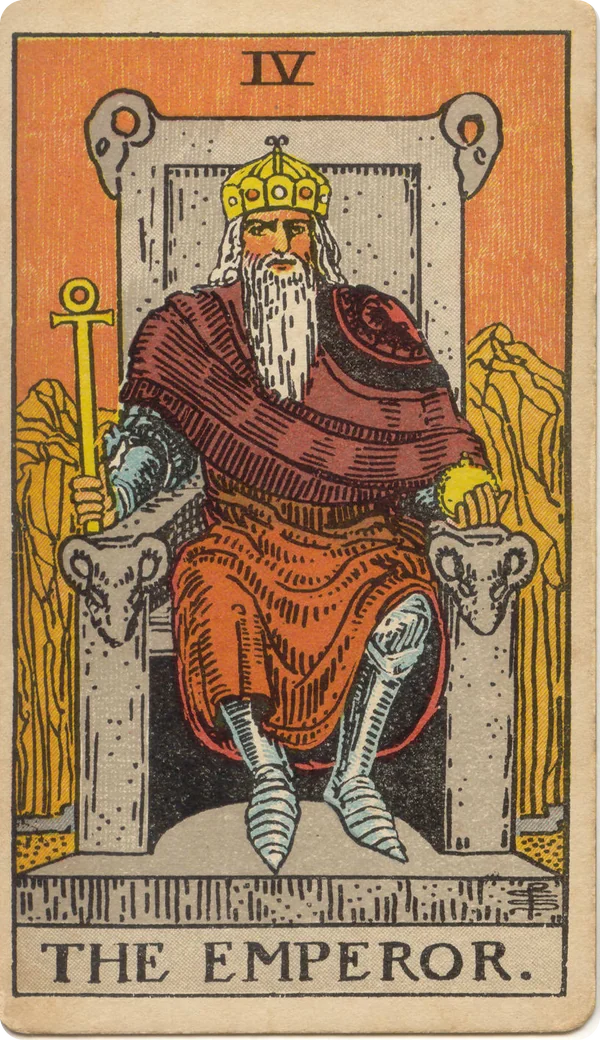
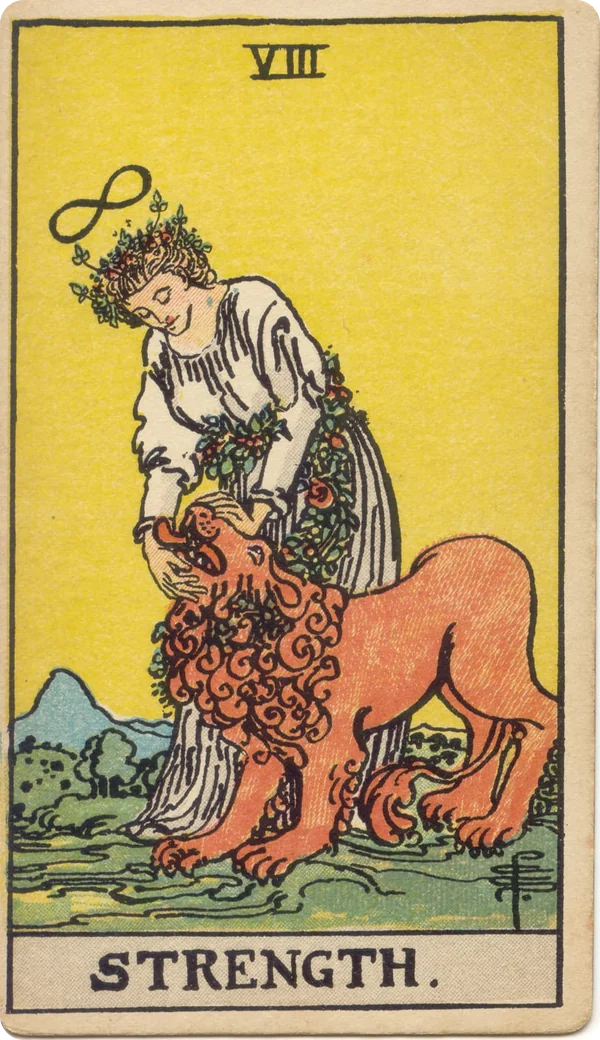
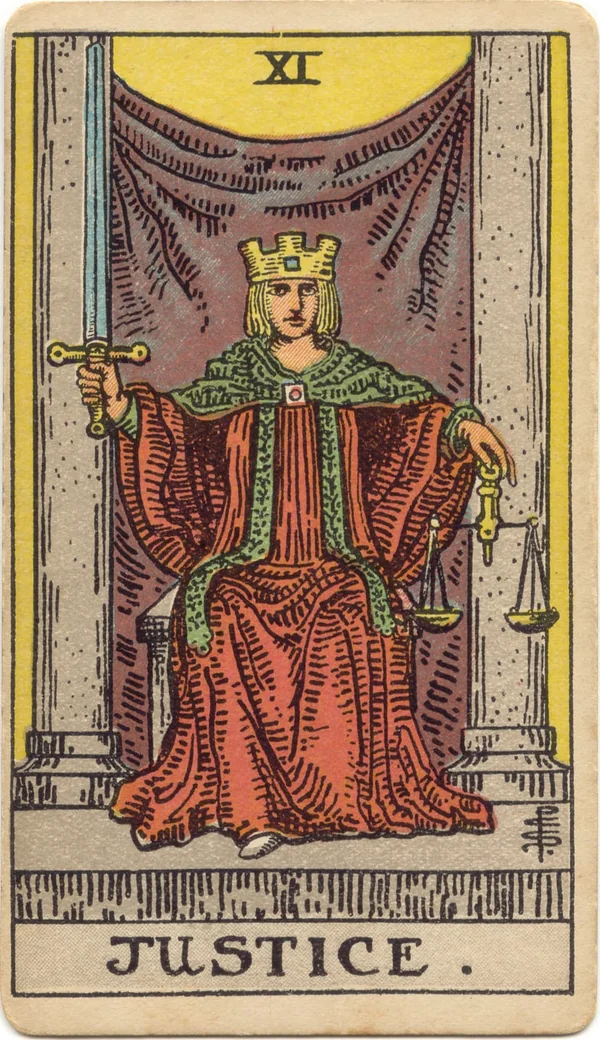
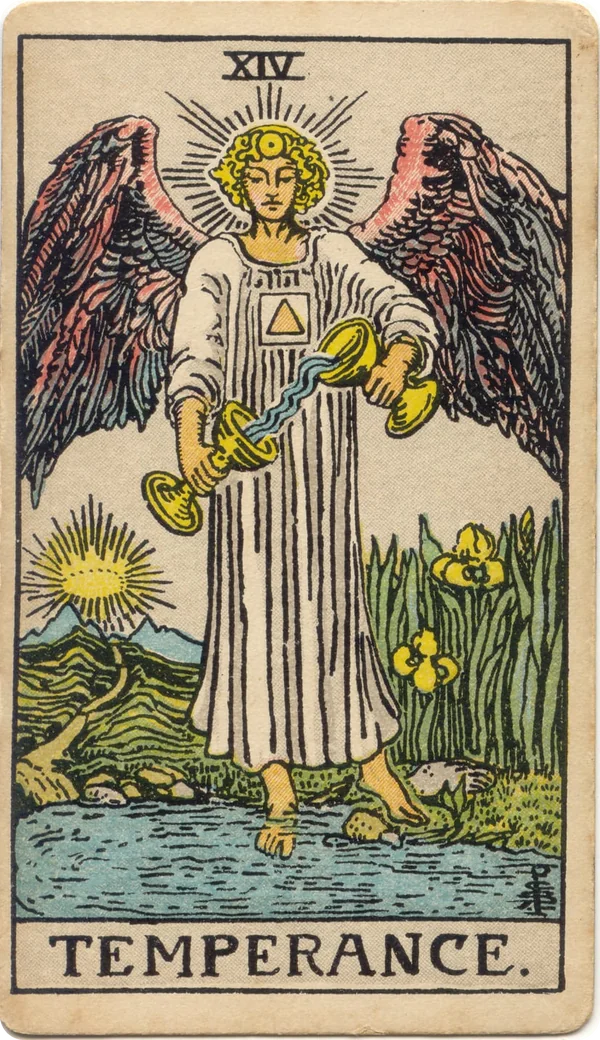
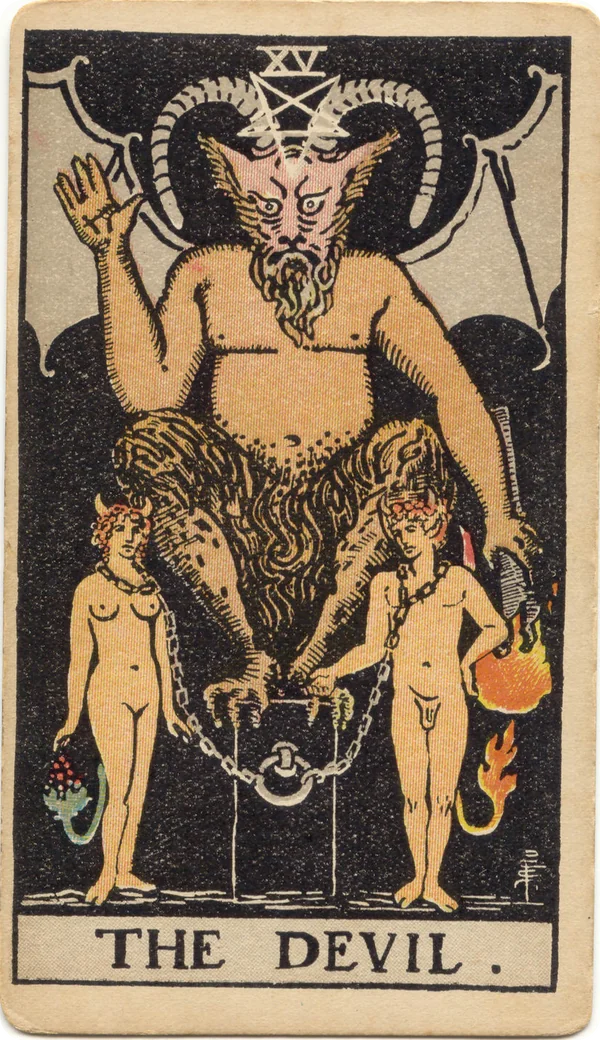
With the Swords
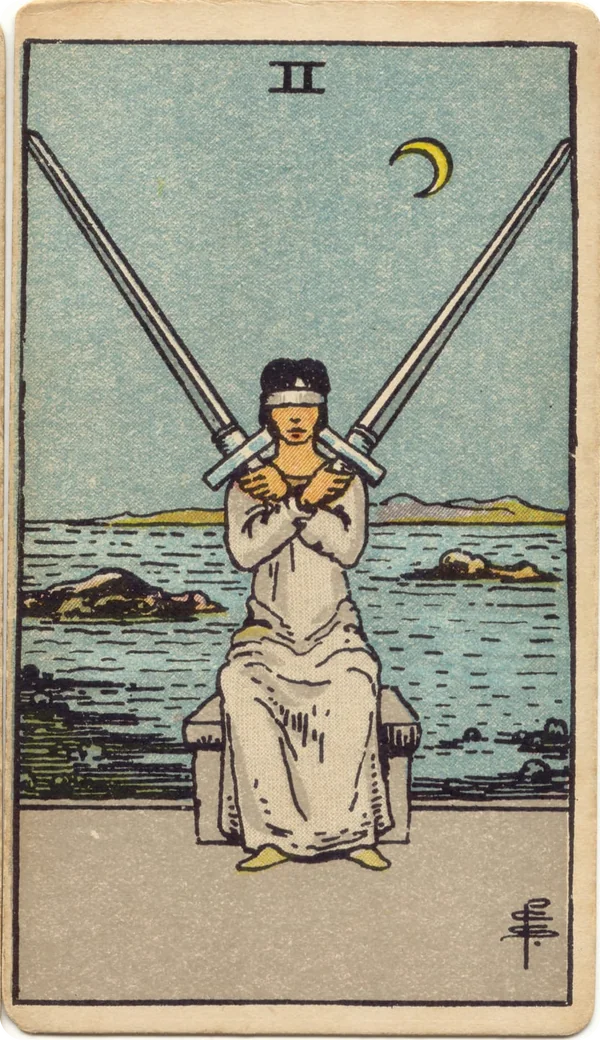
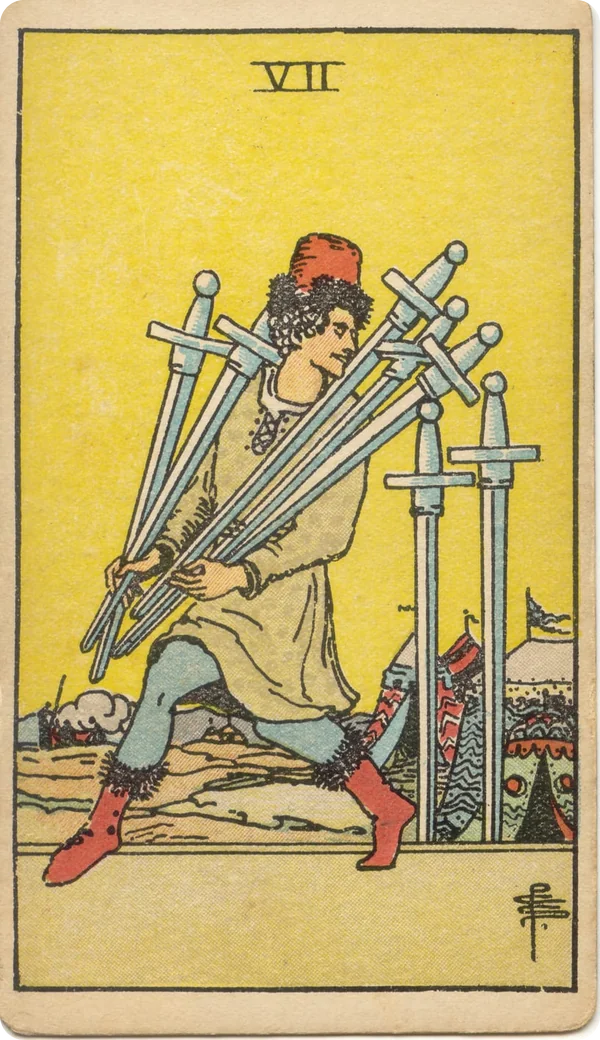
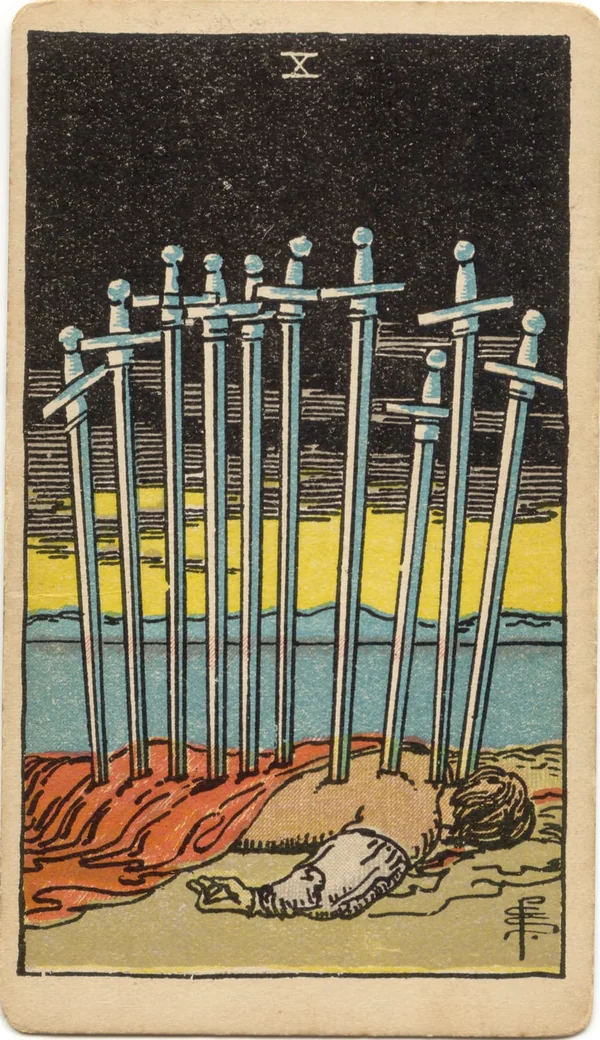
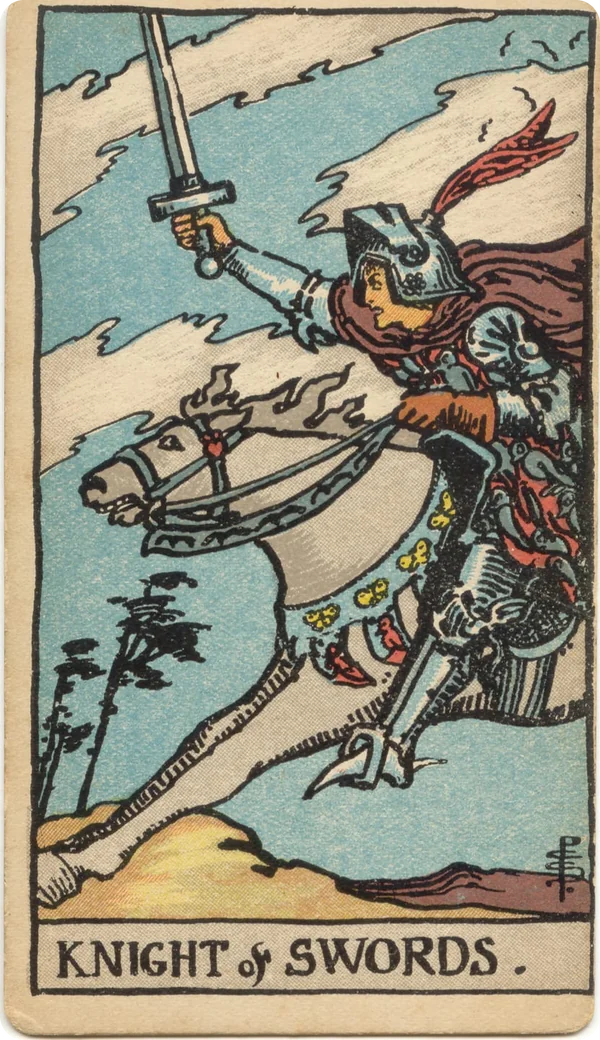
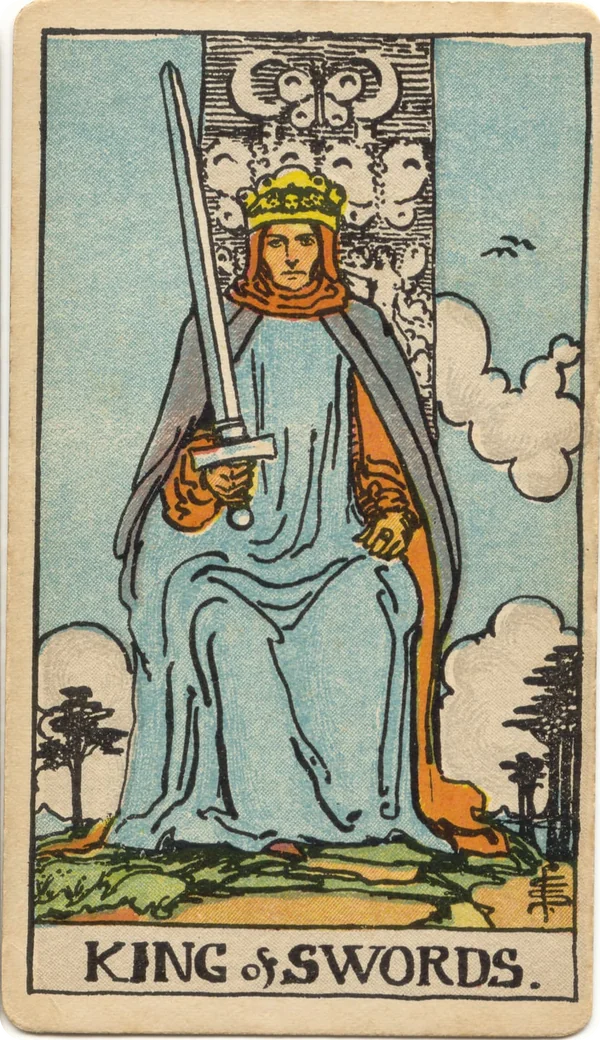
Did these cards land side by side in your spread? Enter the whole spread and get an interpretation of each card in its position.
Interpret my spreadCorrespondences
- Element
- Air
- Astrology
- Venus in Aquarius
- Number
- 5: disrupted balance, a clash
- Suit
- Swords: thoughts, words, conflict, truth and decisions
Frequently asked questions
What does the Five of Swords mean in tarot?
It is a card of conflict and winning at any cost. It shows an argument after which the winner stands alone, and asks which battles are truly worth a relationship and which are better ended.
What does the reversed Five of Swords mean?
Most often, a conflict that is dying down and a chance to make peace: owning your share, apologising, letting go of resentment. Sometimes, resentment that lingers after a quarrel; then it’s time to stop replaying the argument in your head.
What does the Five of Swords mean in relationships and as feelings?
Quarrels in which winning matters more than understanding each other. The card doesn’t look for someone to blame; it asks what you value more (being right or being close) and reminds you that your partner isn’t an opponent. As feelings, it suggests tension, pride or resentment left over from a conflict, emotions that still need to cool down.
Is the Five of Swords a yes or no card?
Upright, it leans towards no: even if you get your way, the price may be too high. Reversed, the answer is neutral and depends on your readiness to let the argument go.
Should I give in if I draw the Five of Swords?
Not always. The card doesn’t demand surrender — it asks you to weigh the cost of the fight. If your boundaries or safety are at stake, defending them matters. If the argument is only about the last word, giving way may be the strongest choice.
Laid out the cards with your own deck?
Enter your spread and get an interpretation of each card in its position, plus an AI reading of the whole spread.
Interpret my spreadFrom the blog: How to read tarot cards · Tarot questions to ask
Related cards
The same card in the other suits, plus the Major Arcana card with the same number.