Death: Tarot Card Meaning
Major Arcana, card 13
Upright keywords
- endings
- transformation
- renewal
- closing a chapter
Reversed keywords
- resisting change
- clinging to the past
- unfinished endings
- slow transformation
In short
- Upright
- A chapter closing: what has run its course steps aside and makes room for something new. This is change, not a threat.
- Reversed
- A needed change is being held off: fear of letting go of the familiar drags out the transition and drains you.
Death: symbolism and imagery
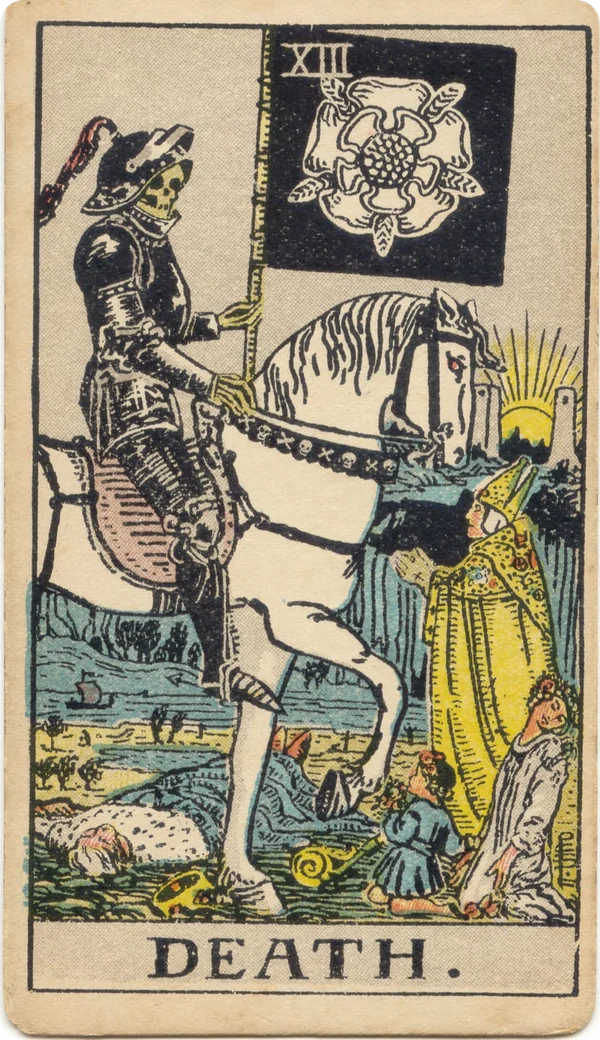
On the Rider–Waite Death card, a skeleton rider in black armour sits on a white horse, holding a black banner with a white rose. A fallen crown and a figure in a royal mantle lie by the hooves; a priest in golden robes, a young woman and a child each meet the rider differently. Beyond them, a boat sails downriver and the sun shines between two towers.
- The rider in black armour
- Change that no amount of persuasion can stop. Beneath the armour is a skeleton: what remains once everything superficial is stripped away.
- The white rose on the black banner
- Purity and renewal in the middle of darkness. Even the hardest ending holds something alive that will keep growing.
- The fallen crown
- Change pays no attention to titles: neither power nor merit can hold on to what is ready to leave.
- The priest, the young woman and the child
- Three responses to change: pleading for time, turning away, or meeting it with open eyes. The child looks straight at the rider and seems least afraid.
- The sun between the towers, and the boat
- Light on the horizon and a journey by water: one day’s end brings the next morning, and the movement carries on.
Death upright
Death is the thirteenth card of the Major Arcana, and probably the most misunderstood. It doesn’t speak of physical death, and it doesn’t foretell disaster. Its theme is completion: a chapter closes, taking with it something that long shaped the familiar picture of your life. It might be a job, a family role, a relationship in its old form, a city, a self-image or a whole way of life you’ve outgrown.
Death stands midway through the Major Arcana: a turning point after which the road goes on, only differently. The card admits that goodbyes can be sad. The rider moves slowly but never turns aside: some changes come whether we want them or not, like the seasons. Still, the heart of this card is not loss but space. Hands full of the old can’t hold anything new. When it goes, room appears — empty and unfamiliar at first, but alive.
Upright, Death invites you not to cling but to live through the transition consciously: thank what has been, take stock, let yourself feel sad. A useful question now: what exactly has ended, and what will you take with you? Experience, people and skills don’t vanish with the chapter. They become the soil in which the next one grows.
Death reversed
Reversed, Death describes a change that has got stuck on the threshold. You sense that the old has run its course, yet you keep propping it up out of habit, fear of emptiness or hope that it can all be brought back. This in-between state tires you more than the goodbye would: energy goes into holding open a door that is closing anyway. Life can feel as if it’s on pause.
The card doesn’t demand drastic steps; some transitions really are slow, and that’s all right. Try separating what is still alive from what carries on only through inertia, and let go little by little: clear out one drawer, finish one conversation, stop waiting for one phone call. Each small farewell makes the next one easier.
Death in love: saying goodbye to an old script
Upright
In a relationship
For a couple, Death usually marks the end of a stage, not of love. Old roles and arrangements that no longer fit fall away, perhaps after a move, a new baby or a job change. The relationship can renew itself if you both build it afresh instead of recreating the past.
If you’re single
Before a new feeling can come in, you may need a final goodbye to the old one: return belongings, stop checking an ex’s profile, end the arguments running in your head. Once the past stops filling every corner, your heart is free for a meeting about the present, not comparison.
Reversed
In a relationship
A couple may be going round in circles: the same arguments, the same promises to change. Perhaps one of you clings to the relationship as it was five years ago, missing what it has become. An honest talk about what has changed will get things moving, wherever that leads.
If you’re single
An old story still lives inside you: you return to a former partner in your thoughts, compare everyone new with them, or wait for it all to fall back into place. The card doesn’t rush you, but asks what stops you drawing a line under it, and what support would help.
Death at work: the art of finishing well
Upright
A project, a position, a partnership or a whole line of work is ending, and that may turn out for the best. Death suggests finishing with dignity: hand things over, thank colleagues, stay in touch, note what you’ve learned. Don’t grab the first offer; work out where you want to go next.
Reversed
You may be staying in a role you outgrew long ago, or rescuing a project with no future. Fear of the unknown is understandable, but delay costs something too: energy, time, interest in the work. Start small: ask about new responsibilities, find out which skills are in demand, look into training.
Death and money: a rebuild, not a collapse
Upright
With money, the card speaks of a rebuild: an old income source, a familiar spending pattern or a model that stopped working is falling away. Time for an audit: cancel unused subscriptions, revise the budget, settle old debts. A new order takes time, so lean on careful sums and keep a reserve.
Reversed
Reversed, Death may point to habits that have long drained your budget yet feel hard to drop: a pricey plan, spending on autopilot, an investment kept only in hope of recovering losses. Look at the figures calmly. Admitting a poor decision can be wiser than clinging to it for years.
Death and health: releasing what wears you down
Upright
For wellbeing, the card reads as a lifestyle renewal. It may be time to leave behind what drains you: an exhausting schedule, late nights, constant rushing. Bring in changes gradually, and take any health questions to a doctor.
Reversed
You may be holding on to habits that no longer suit you, though your body has long been signalling tiredness. No need to change everything at once; pick one change you can keep. If something worries you, see a professional.
This isn’t medical advice: for health questions, please see a doctor.
The card’s advice
Upright
What in your life has already ended but is still waiting for you to let it go?
Reversed
Try naming one thing you’re willing to let go of today, however small it may be.
Death: yes or no, upright and reversed
Upright
Likely no
Likely no, if the question is about keeping or restoring what used to be: that chapter seems to be closing. But if you’re asking whether it’s time for change, the card leans towards supporting it.
Reversed
Neutral
The answer hasn’t formed yet: the situation is stuck between old and new. Much depends on whether you’re ready to let go: while the past keeps its hold, nothing moves either way.
Death as your card of the day
Death in spread positions
In the past position
An important ending lies behind you (a break-up, leaving a job, a move), and much of the present has grown out of that change.
As an obstacle
What holds you back is reluctance to release what has already ended: your energy goes into keeping the past in place.
As advice
Let the chapter close: take stock, say goodbye to what has run its course, and don’t rush to fill the gap.
As the outcome
One stage is coming to an end, and beyond it there is room for something new that hasn’t taken shape yet.
Example
Someone lays out a “situation, obstacle, advice” spread, asking why their own business never gets off the ground. Death in the obstacle position may point not to outside hurdles but to an old side job they keep doing “just in case”. Until that chapter closes, there’s no time or energy left for the new one.
Death: combinations with other cards
A brief look at what two cards mean side by side in one spread (in the upright position). Select a card to open its meaning.
With the Major Arcana
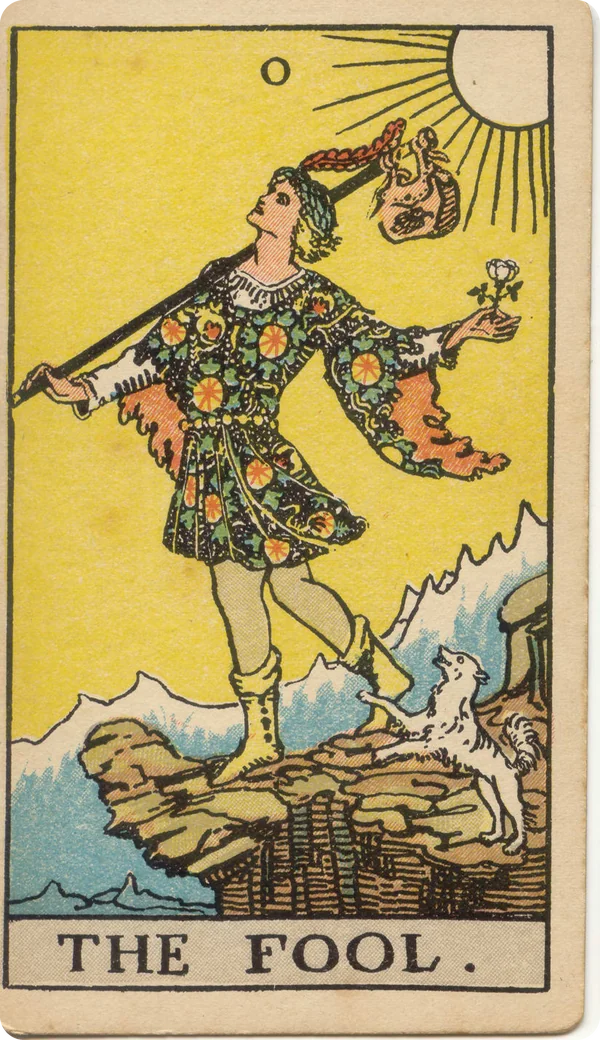 The Foola clean slate after an ending
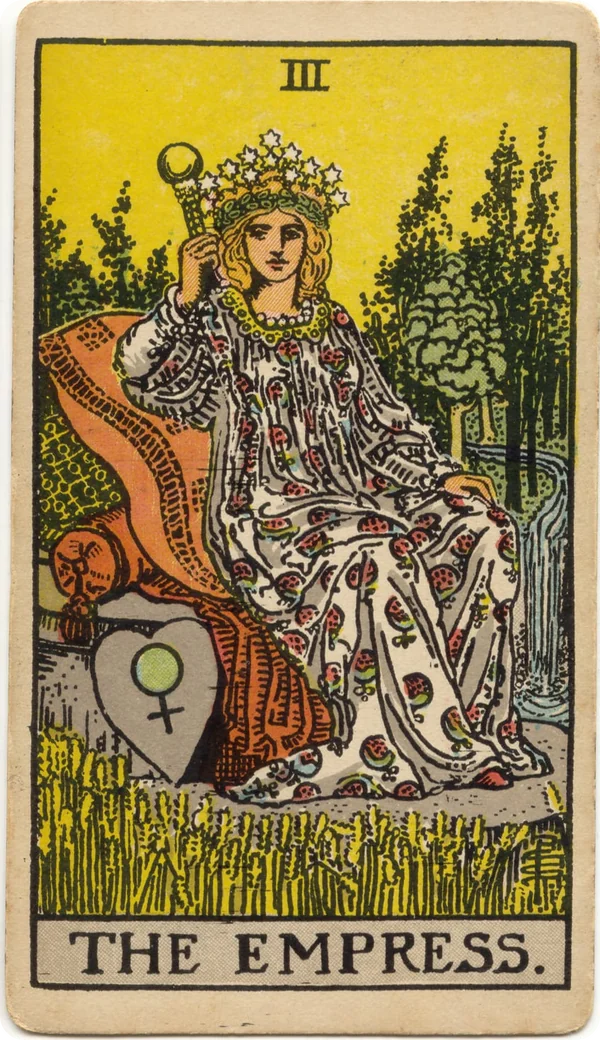 The Empresswhat fades feeds new growth
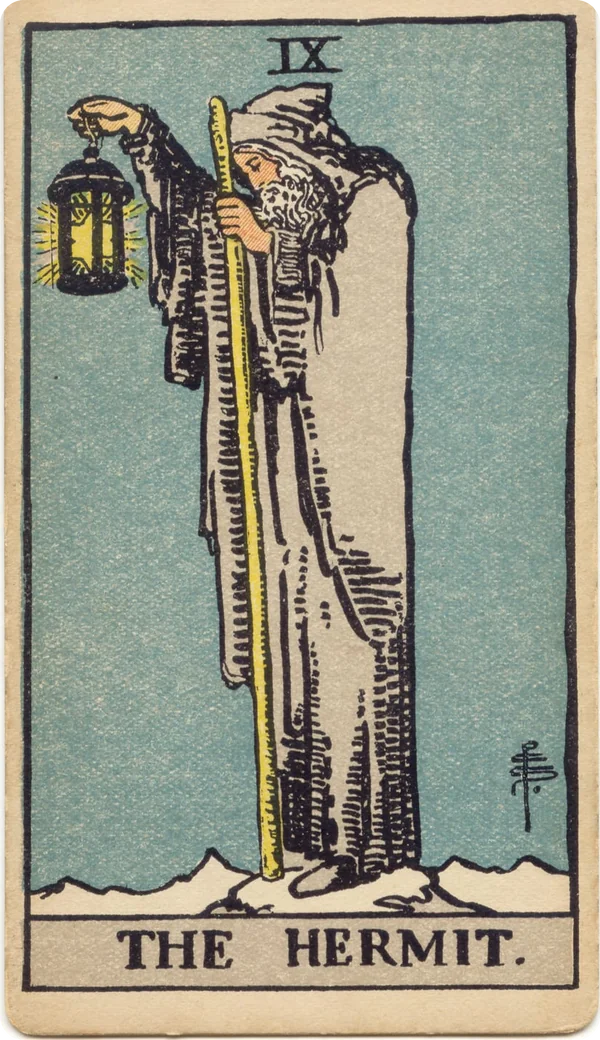 The Hermitquietly letting the past go
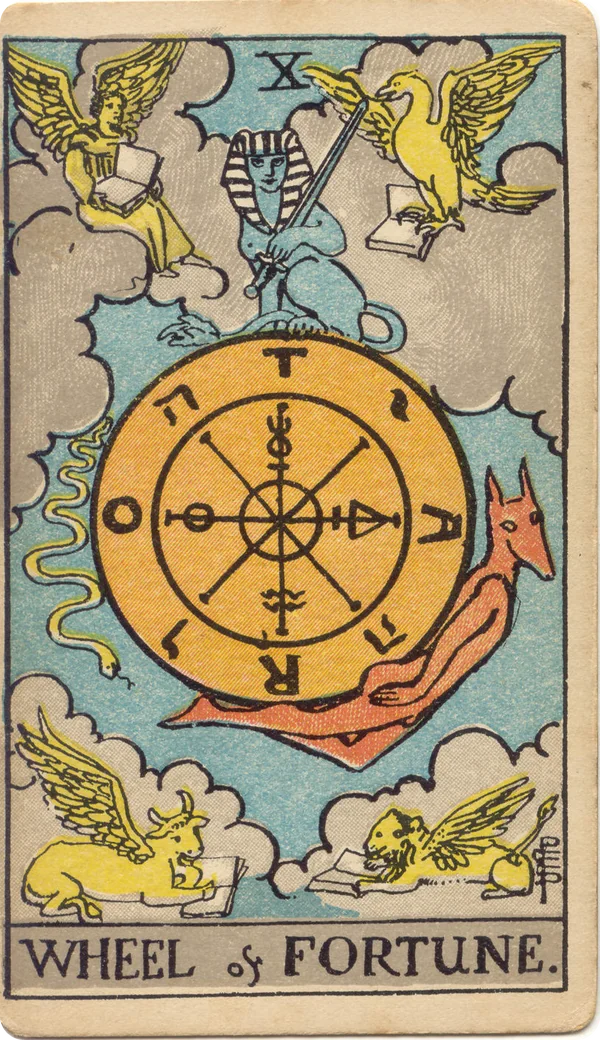 Wheel of Fortuneone chapter gives way to another
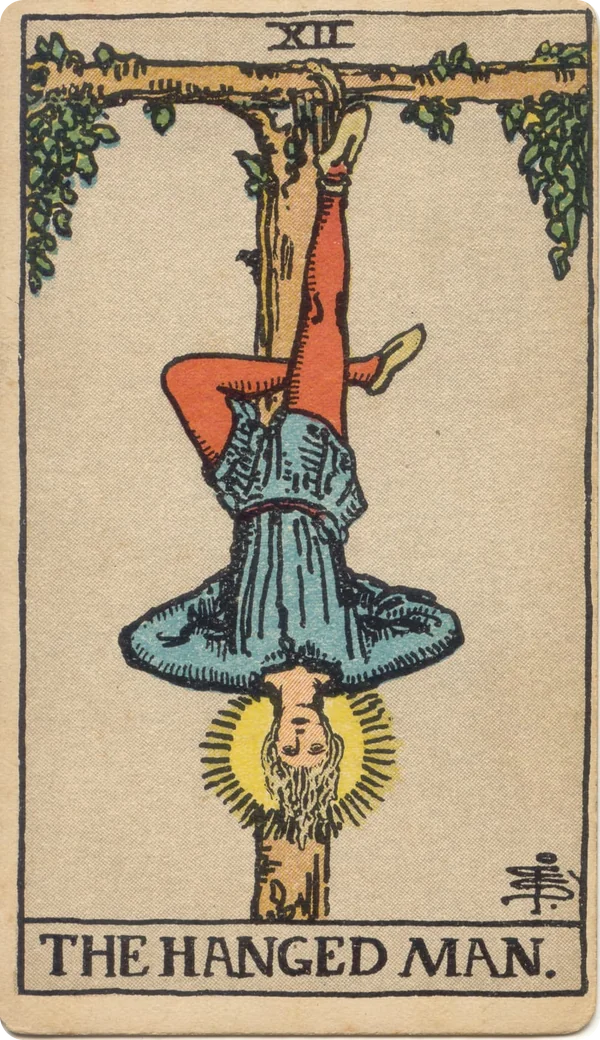 The Hanged Manlet go and trust the transition
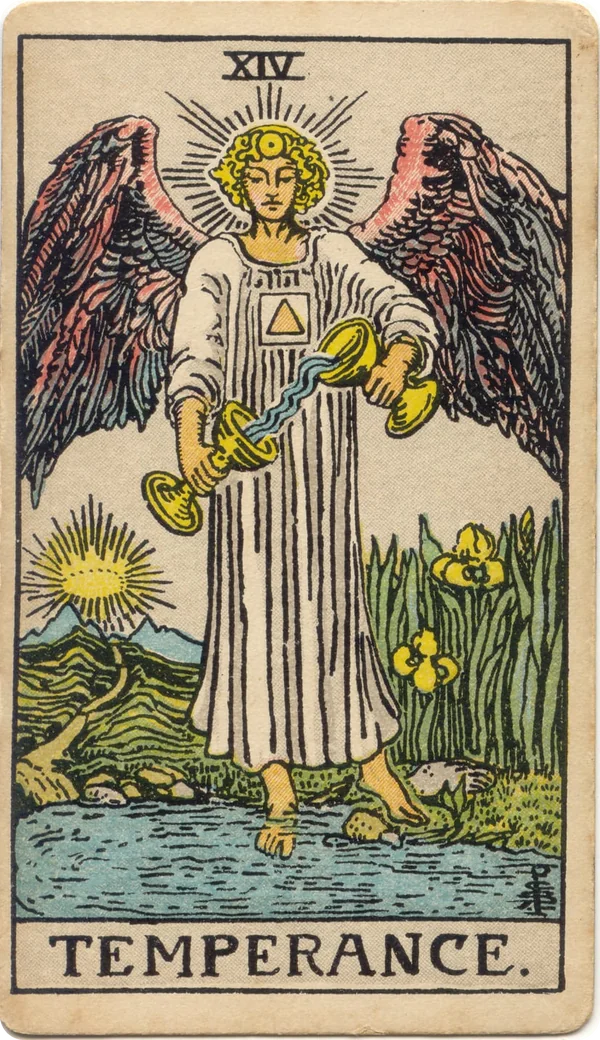 Temperancerenewal at a gentle pace
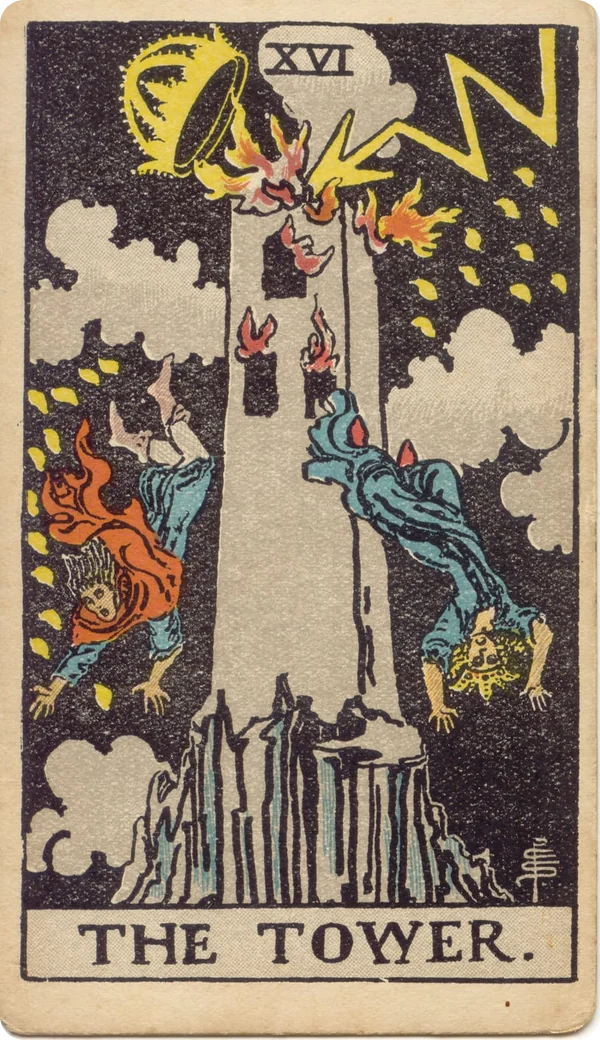 The Toweran overhaul down to the roots
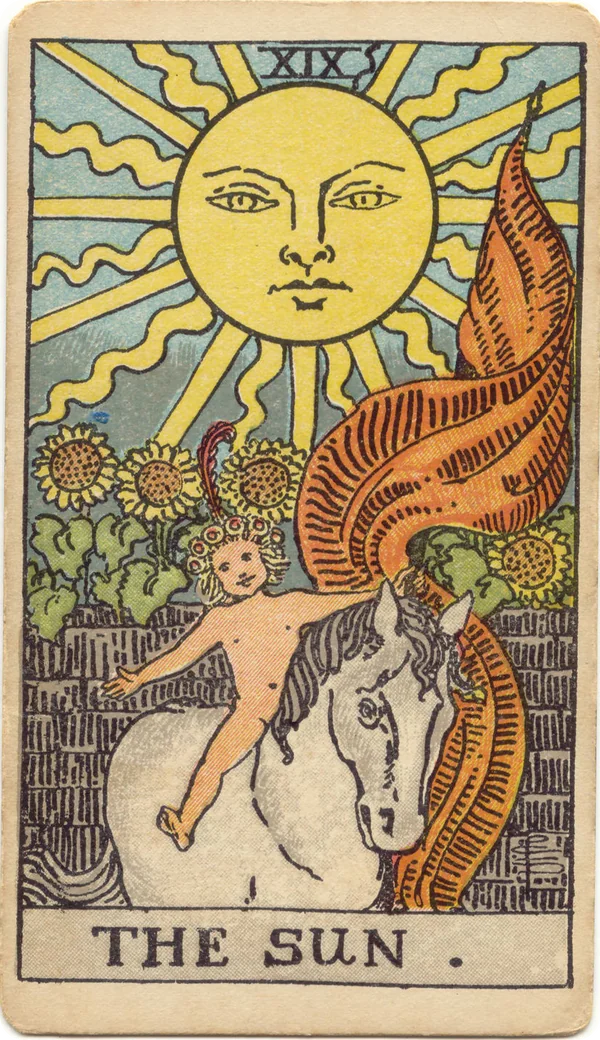 The Sunafter the ending, a sunrise
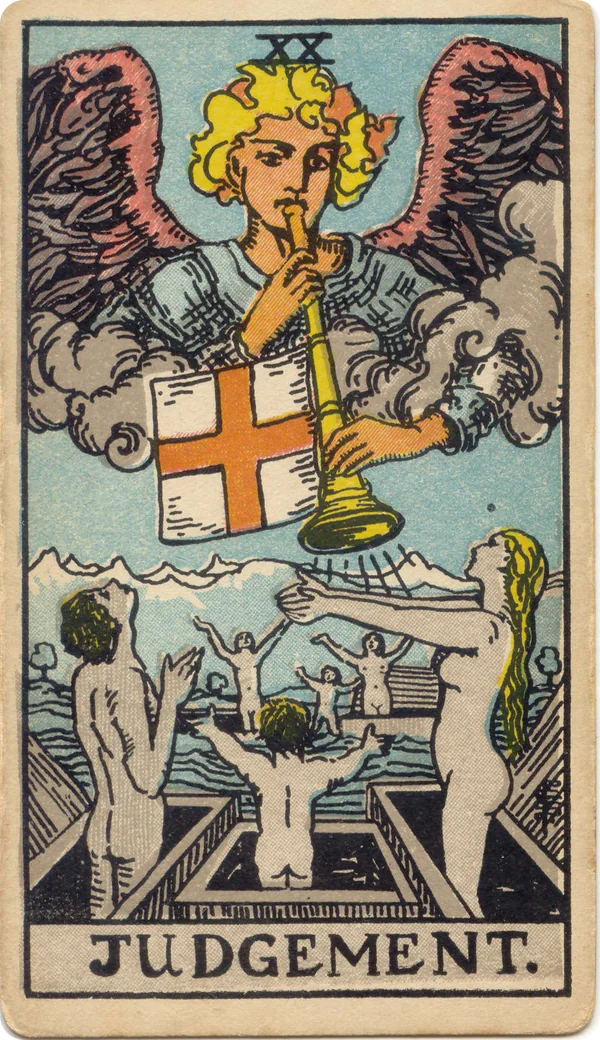 Judgementa rebirth into new life
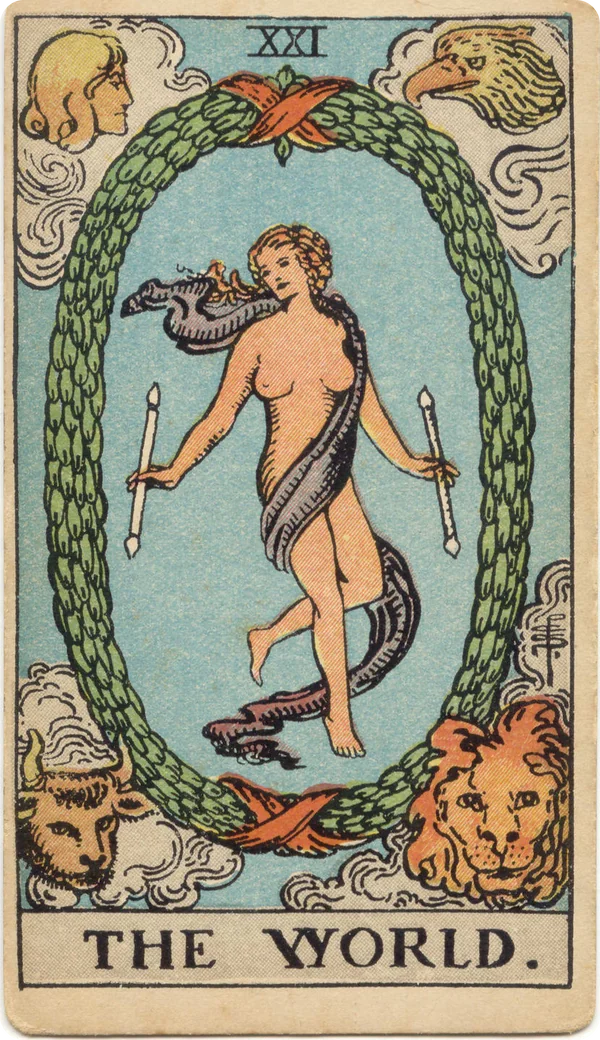 The Worldtime to release what’s complete
Did these cards land side by side in your spread? Enter the whole spread and get an interpretation of each card in its position.
Interpret my spreadCorrespondences
- Element
- Water
- Astrology
- Scorpio
- Number
- 13: the end of one cycle and the start of the next
- Hebrew letter
- Nun
Frequently asked questions
What does the Death card mean in tarot?
It’s a card of endings and renewal: a stage closing (a job, a relationship in its old form, a familiar routine) and the space that opens for something new. The farewell may be sad, but something follows it.
What does reversed Death mean?
Resistance to change: the old has run its course, yet it is held on to out of fear or habit. The card suggests letting go gradually: even a small step can get a stuck situation moving.
What does Death mean in relationships and as feelings?
The end of an old script. For a couple, a move to a new stage where former roles no longer work, or sometimes an acknowledgement that the story is over. For singles, time to close a past relationship for good. As feelings, Death points to feelings that are changing deeply: something old is ending, and something new may take its place.
Is Death a yes or no card?
Upright, it leans towards no if you want to keep things as they were, and towards yes if you’re asking about readiness for change. Reversed, it’s neutral: everything depends on whether you let go of the old.
Does the Death card mean physical death?
No. In tarot this card stands for endings and change: the close of a stage, a role or a habit. It doesn’t predict anyone’s death, illness or misfortune. The image can look frightening, but its meaning is different: making room for the new.
Laid out the cards with your own deck?
Enter your spread and get an interpretation of each card in its position, plus an AI reading of the whole spread.
Interpret my spreadFrom the blog: How to read tarot cards · Tarot questions to ask
Related cards
Minor Arcana cards of the same number (after X, the number is the sum of its digits).